Every great stadium has something you can feel before the game even begins.
It’s in the roar of the crowd during player introductions. It’s in the vibrations under your seat after a game-winning touchdown. It’s the electricity that spreads through tens of thousands of fans at the exact same moment.
That feeling is what many sports fans now call:
“Stadium Pulse”
But what exactly does stadium pulse mean?
For some people, it refers to:
- The energy inside a stadium
- Crowd noise and atmosphere
- Fan engagement
- Live game intensity
- Stadium technology and lighting
- The emotional heartbeat of sports venues
And honestly, all of those meanings connect together.

Modern stadiums are no longer just giant buildings with seats and scoreboards. They’ve become fully immersive entertainment experiences designed to create emotion, excitement, and nonstop fan energy.
In this guide, we’ll break down everything behind the idea of stadium pulse — including stadium atmosphere, crowd psychology, technology, fan experience, noise levels, and why certain venues feel unforgettable the moment you walk inside.
What Is Stadium Pulse?
“Stadium pulse” is not an official engineering term. It’s more of a modern sports expression used to describe:
- The emotional energy of a stadium
- Crowd intensity
- Real-time fan reactions
- The overall vibe during live events
Think of it like the heartbeat of the venue.
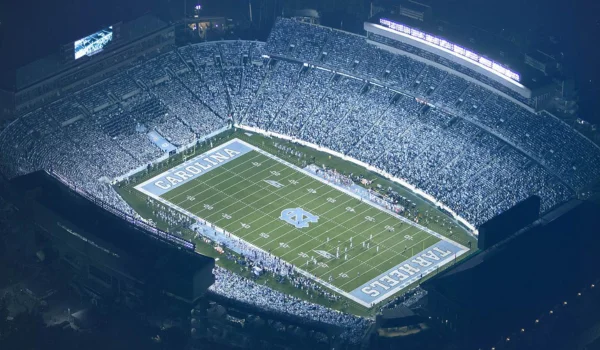
When fans chant together, jump simultaneously, or erupt after a huge play, the stadium almost feels alive.
That emotional rhythm is what creates stadium pulse.
Why Stadium Atmosphere Matters So Much
A stadium’s atmosphere can completely change how fans experience a game.
The best stadium environments create:
- Excitement
- Pressure for opponents
- Emotional connection
- Home-field advantage
- Unforgettable memories
Sometimes the atmosphere becomes just as famous as the team itself.
Fans don’t just remember the final score — they remember how the stadium felt.
What Creates Stadium Pulse?
Several elements combine to create a powerful stadium atmosphere.
| Stadium Pulse Factor | Impact on Fan Experience |
| Crowd Noise | Builds energy and intimidation |
| Stadium Design | Amplifies sound and visibility |
| Lighting Effects | Creates dramatic moments |
| Music & Audio | Increases excitement |
| Fan Traditions | Builds identity and culture |
| Big Screens & Visuals | Enhances immersion |
| Rivalries & Stakes | Intensifies emotions |
The strongest stadium pulse happens when all these elements work together at the same time.
Crowd Noise: The Heart of Stadium Pulse
Nothing affects stadium atmosphere more than crowd noise.
When tens of thousands of fans:
- Scream
- Chant
- Clap
- Sing together
the sound becomes overwhelming.
Some NFL and college football stadiums regularly exceed:
That’s loud enough to:
- Disrupt communication
- Shake seating areas
- Create real home-field advantage
The Loudest Stadiums in America
Some venues are legendary for crowd intensity.
Arrowhead Stadium
Known for:
- Record-breaking crowd noise
- Intense NFL atmosphere
- Passionate football fans
Beaver Stadium
Famous for:
- White Out games
- Massive college football crowds
- Emotional game-day energy
Lumen Field
Designed specifically to trap crowd noise and amplify fan energy.
Stadium Design and Acoustics
Modern stadium architecture is carefully engineered to increase atmosphere.
Designers now focus heavily on:
- Sound reflection
- Seating steepness
- Crowd proximity
- Roof structures
- Acoustic control
Some stadiums intentionally trap noise inside the venue to make games feel louder and more intense.
That’s why two stadiums with similar capacities can feel completely different emotionally.
How Technology Changed Stadium Pulse
Modern sports venues are packed with entertainment technology.
Today’s stadiums use:
- LED light shows
- Massive video boards
- Synchronized music
- Mobile fan interaction
- Real-time graphics
- Pyrotechnics
These features create emotional momentum throughout games.
Big moments now feel more cinematic than ever before.
The Psychology Behind Fan Energy
Sports psychologists often discuss how crowds influence athletes.
A powerful stadium pulse can:
- Increase player adrenaline
- Improve home-team momentum
- Pressure referees subconsciously
- Intimidate visiting teams
Athletes frequently talk about “feeding off the crowd.”
That emotional connection between players and fans becomes stronger in loud stadium environments.
College Football and Stadium Pulse
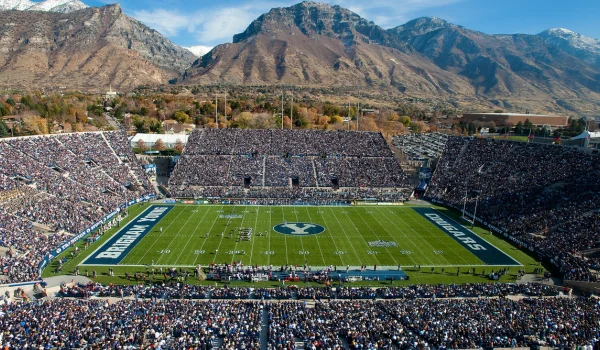
College football may produce the strongest stadium pulse in all of American sports.
Why?
Because college stadiums combine:
- Student sections
- Traditions
- Rivalries
- Marching bands
- Generational loyalty
Venues like:
- Tiger Stadium
- Michigan Stadium
- Ohio Stadium
become emotional explosions during major games.
Stadium Pulse in Soccer
Soccer stadiums create a different type of energy.
International soccer crowds are known for:
- Continuous chanting
- Songs
- Coordinated fan sections
- Massive visual displays
Many fans believe soccer atmospheres feel more emotionally connected because crowd participation never stops.
Indoor vs Outdoor Stadium Energy
The stadium environment changes depending on whether the venue is indoors or outdoors.
| Indoor Stadiums | Outdoor Stadiums |
| Louder acoustics | Open-air atmosphere |
| Sound stays trapped | Natural crowd spread |
| More controlled lighting | Weather impacts energy |
| More dramatic effects | Traditional sports feel |
Indoor arenas often feel more intense because sound cannot escape easily.
How Fans Create Home-Field Advantage
Stadium pulse directly impacts competitive sports.
A loud crowd can:
- Force false starts in football
- Disrupt communication
- Affect player concentration
- Increase pressure during key moments
Home-field advantage becomes especially powerful during:
- Playoffs
- Rivalry games
- Championship events
Stadium Pulse Beyond Sports
Modern stadiums now host:
- Concerts
- Wrestling events
- International shows
- Political rallies
- Festivals
Artists like:
- Taylor Swift
- Beyoncé
- Drake
create stadium pulse through music instead of sports.
The emotional energy still works the same way.
Social Media Changed Stadium Experiences
Today’s fans don’t just attend games — they document them.
Modern stadiums now design experiences around:
- Viral moments
- Smartphone videos
- Light shows
- Fan selfies
- Interactive displays
Creating “shareable moments” has become part of stadium strategy.
Why Some Stadiums Feel Legendary
Certain venues develop reputations that go beyond architecture.
They become legendary because of:
- Historic moments
- Fan culture
- Generational memories
- Emotional atmosphere
Fans often say you can “feel the history” in iconic stadiums.
That emotional identity becomes part of the stadium pulse itself.
The Future of Stadium Pulse
Future stadiums may become even more immersive.
Emerging technologies include:
- Augmented reality
- AI crowd interaction
- Smart lighting systems
- Personalized fan experiences
- Real-time mobile integration
The goal is simple:
Make live events feel impossible to replicate at home.
Frequently Asked Questions
Q: What does stadium pulse mean?
A: Stadium pulse refers to the emotional energy, atmosphere, crowd noise, and overall excitement inside a sports venue.
Q: What creates strong stadium atmosphere?
A: Crowd noise, stadium design, lighting, music, traditions, and emotional games all contribute.
Q: Which stadium is considered the loudest?
A: Arrowhead Stadium is famous for record-breaking crowd noise.
Q: Why do stadiums feel louder today?
A: Modern stadium architecture and sound engineering amplify crowd energy more effectively.
Q: Does crowd noise affect players?
A: Yes. Loud environments can impact communication, focus, and momentum during games.
Final Thoughts
Stadium pulse is what transforms sports from simple competition into unforgettable emotional experiences.
It’s the roar after a touchdown. The shaking stands during a rivalry game. The synchronized chants echoing through thousands of fans. It’s the feeling that makes people spend hours traveling, standing in crowds, and returning season after season.
The best stadiums in America don’t just host events — they create energy people can physically feel.
And whether it’s football, basketball, soccer, or a sold-out concert, that pulse is what makes live sports and entertainment impossible to replace.
About the Author