Basketball is one of America’s favorite sports, and while outdoor courts have their own culture and energy, the indoor basketball court remains the gold standard for serious play. From NBA arenas and college gyms to school facilities and luxury home courts, indoor basketball courts deliver the best playing experience possible.
Whether you’re a player looking to improve your game, a parent planning a home gym, a school administrator upgrading facilities, or simply a basketball fan curious about court design, this guide covers everything you need to know about indoor basketball courts.
What Is an Indoor Basketball Court?
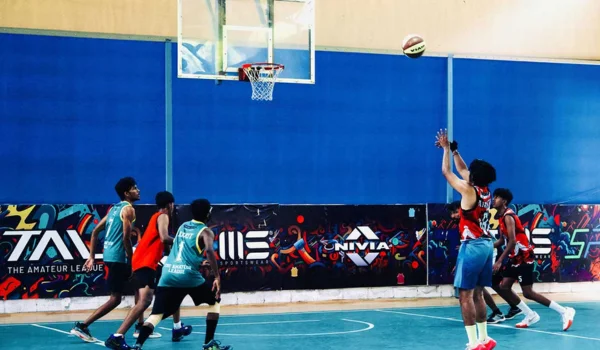
An indoor basketball court is a basketball playing surface located inside a building or enclosed facility. These courts are designed to protect players from weather conditions while providing a smoother, safer, and more professional playing environment.
Indoor courts are commonly found in:
- Schools
- Colleges
- NBA arenas
- Recreation centers
- Sports complexes
- Private training facilities
- Residential homes
Unlike outdoor courts that typically use concrete or asphalt, indoor basketball courts usually feature hardwood flooring for better performance and player comfort.
Why Indoor Basketball Courts Are So Popular
Indoor basketball courts continue to grow in popularity across the United States for several reasons.
Year-Round Play
Weather never becomes an issue indoors. Rain, snow, wind, or extreme heat won’t interrupt practice or games.
This makes indoor courts ideal for:
- Competitive training
- Youth basketball programs
- Professional leagues
- Daily workouts
Better Playing Surface
Indoor courts provide:
- Consistent ball bounce
- Better traction
- Improved movement
- Reduced wear on joints
Players often perform better indoors because the environment is more controlled.
Safer Environment
Indoor facilities help protect players from:
- Slippery outdoor surfaces
- Cracks in pavement
- Harsh sunlight
- Strong winds
- Uneven ground
This lowers injury risk and improves overall game quality.
Standard Indoor Basketball Court Dimensions
Indoor courts follow official size guidelines depending on the level of competition.
NBA Indoor Court Size
Official NBA courts measure:
- 94 feet long
- 50 feet wide
These dimensions are considered the professional standard.
NCAA College Court Size
College basketball courts use the same overall dimensions:
- 94 feet x 50 feet
However, some line spacing differs slightly from NBA courts.
High School Indoor Court Size
Most high school courts measure:
- 84 feet long
- 50 feet wide
Some newer schools now build full-size courts.
Youth Indoor Courts
Youth basketball courts are often smaller to help young players develop skills more effectively.
Smaller courts allow:
- Easier shooting
- Better ball control
- Faster learning
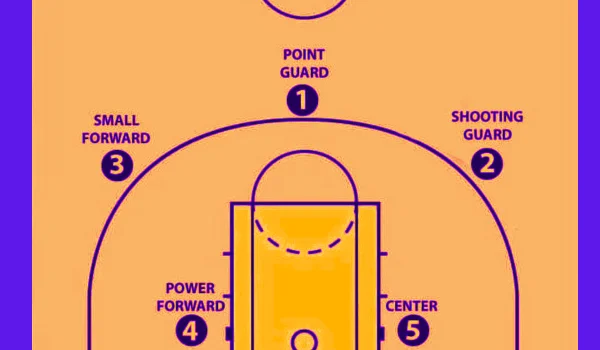
Main Parts of an Indoor Basketball Court
Every indoor basketball court contains important markings and zones that shape gameplay.
Center Circle
Located at midcourt, this is where games begin with the opening tip-off.
Three-Point Line
Shots made beyond this line count for three points.
Modern basketball heavily relies on perimeter shooting, making the three-point line one of the most important areas on the floor.
Free Throw Lane
Also known as “the paint” or “the key,” this area is crucial for:
- Rebounding
- Post play
- Defensive positioning
Free Throw Line
Players shoot free throws from this line after fouls.
The free throw line is:
- 15 feet from the backboard
Baseline and Sidelines
These define the boundaries of the court.
Stepping outside these lines results in the ball going out of bounds.
Indoor Basketball Court Flooring Options
The floor is one of the most important parts of any indoor basketball court.
Different surfaces affect:
- Ball bounce
- Grip
- Injury prevention
- Maintenance costs
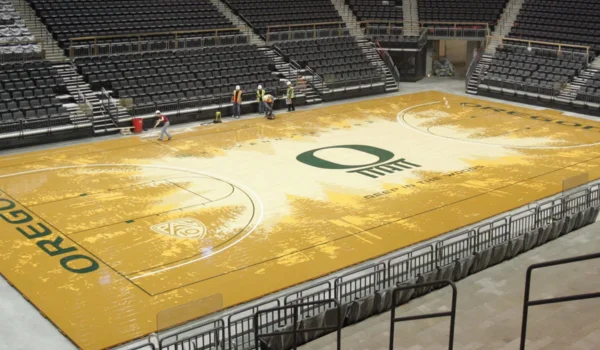
Hardwood Basketball Courts
Hardwood is the most popular and professional indoor basketball flooring option.
NBA and NCAA courts typically use:
- Maple hardwood
Why Maple Hardwood Is Preferred
Maple wood provides:
- Excellent durability
- Smooth texture
- Consistent bounce
- Strong shock absorption
It also gives courts the classic polished basketball look fans recognize instantly.
Advantages of Hardwood Courts
Superior Performance
Hardwood offers elite playing conditions.
Better Traction
Players can cut, sprint, and pivot more safely.
Professional Appearance
Hardwood courts look premium and increase facility value.
Long Lifespan
With proper care, hardwood floors can last decades.
Disadvantages of Hardwood Courts
Expensive Installation
Professional hardwood courts cost significantly more than other flooring options.
Maintenance Requirements
Hardwood needs:
- Cleaning
- Refinishing
- Humidity control
Indoor Use Only
Moisture can damage wood flooring.
Synthetic Indoor Basketball Flooring
Many schools and recreational centers now use synthetic sports flooring.
Common materials include:
- Vinyl
- Polyurethane
- Rubber-based sports floors
Benefits of Synthetic Flooring
Lower Cost
Cheaper than hardwood.
Easier Maintenance
Requires less refinishing and upkeep.
Multi-Sport Usage
Good for volleyball, futsal, and other indoor sports.
Strong Durability
Handles heavy foot traffic well.
Downsides of Synthetic Courts
Some players feel synthetic courts:
- Don’t provide the same bounce
- Feel less natural
- Lack the classic hardwood experience
Indoor Basketball Court Ceiling Height
Ceiling clearance matters more than many people realize.
Official indoor basketball courts usually require:
- At least 23 feet of ceiling height
Professional arenas often have much higher ceilings.
Low ceilings can interfere with:
- High passes
- Long shots
- Overall gameplay
Basketball Hoops for Indoor Courts
Indoor hoops vary depending on the level of play.
Official Hoop Height
Standard basketball rim height:
- 10 feet
This applies to:
- NBA
- NCAA
- High school basketball
Breakaway Rims
Modern indoor courts often use breakaway rims.
These rims flex slightly during dunks to:
- Reduce damage
- Improve safety
- Prevent backboard stress
Glass Backboards
Professional indoor courts usually feature tempered glass backboards.
Benefits include:
- Better rebound consistency
- Premium appearance
- Professional feel
Indoor Basketball Court Lighting
Lighting dramatically affects visibility and player performance.
LED Sports Lighting
Most modern indoor courts use LED systems because they:
- Save energy
- Reduce glare
- Improve brightness
- Last longer
Good lighting helps players track:
- The ball
- Opponents
- Court lines
Indoor Basketball Court Ventilation and Climate Control
Temperature and air quality play a major role in indoor sports performance.
Modern facilities invest heavily in:
- Air conditioning
- Ventilation systems
- Humidity control
Proper climate control helps:
- Protect hardwood floors
- Keep players comfortable
- Improve air circulation
Home Indoor Basketball Courts
Luxury home basketball courts have become increasingly popular in the United States.
Athletes, families, and basketball lovers are converting:
- Garages
- Basements
- Warehouses
- Detached buildings
into personal basketball gyms.
Benefits of a Home Indoor Basketball Court
Practice Anytime
No waiting for public gym access.
Family Entertainment
A home court creates a fun activity space for kids and adults.
Fitness and Health
Basketball improves:
- Cardio fitness
- Coordination
- Strength
- Agility
Increased Property Appeal
Custom sports facilities can increase home value in some markets.
Cost of Building an Indoor Basketball Court
Indoor basketball courts vary greatly in price.
Basic Residential Indoor Court
Estimated cost:
- $25,000–$80,000
Premium Custom Court
Luxury courts may cost:
- $100,000–$500,000+
Features may include:
- Custom flooring
- LED lighting
- Seating
- Scoreboards
- Sound systems
- Team logos
School and Commercial Courts
Large sports facilities can cost millions depending on:
- Building size
- Flooring quality
- Seating capacity
- Technology integration
Indoor Basketball Court Maintenance
Regular maintenance keeps courts safe and visually appealing.
Hardwood Court Maintenance Tips
Daily Cleaning
Dust and dirt reduce traction.
Courts should be:
- Swept
- Vacuumed
- Mopped regularly
Refinishing
Hardwood floors require refinishing every few years to maintain:
- Grip
- Appearance
- Protection
Humidity Monitoring
Wood expands and contracts with moisture changes.
Facilities must carefully control indoor humidity.
Common Indoor Basketball Court Injuries
Even the best courts cannot eliminate injuries completely.
Common basketball injuries include:
- Ankle sprains
- Knee strain
- Finger jams
- Muscle pulls
Good flooring and proper shoes help reduce injury risk.
Indoor Basketball Court Design Trends
Modern basketball facilities are becoming more advanced and visually impressive.
Popular trends include:
- Custom logos
- Team branding
- LED accent lighting
- Digital scoreboards
- Smart training technology
- Multi-purpose court layouts
Social media has also influenced court design, especially in training gyms and luxury homes.
Famous Indoor Basketball Courts in America
Some indoor basketball courts are legendary in sports history.
Madison Square Garden
Home to countless iconic basketball moments and often called “The Mecca of Basketball.”
United Center
Famous for hosting the championship-era teams led by Michael Jordan.
Cameron Indoor Stadium
One of the most famous college basketball arenas in America.
Tips for Choosing the Right Indoor Basketball Court
If you’re planning to build or upgrade a court, focus on these factors:
Budget
Determine how much you’re willing to invest.
Flooring Type
Choose between:
- Hardwood
- Synthetic flooring
based on usage and maintenance needs.
Available Space
Full courts require significant room.
Half courts are more realistic for many homes.
Lighting Quality
Poor lighting affects both safety and performance.
Ventilation
A comfortable indoor environment matters for long-term use.
The Future of Indoor Basketball Courts
Technology is rapidly changing basketball facilities.
Future indoor courts may include:
- Smart shot-tracking systems
- Interactive training walls
- AI performance analysis
- Advanced flooring sensors
- Energy-efficient lighting systems
Training facilities are becoming more data-driven and athlete-focused than ever before.
Final Thoughts
An indoor basketball court is more than just a sports surface. It’s a controlled environment built for performance, safety, competition, and enjoyment.
From professional NBA arenas to home gyms and school facilities, indoor courts provide the ideal setting for basketball at every level.
Whether you’re building a private court, managing a sports facility, or simply passionate about the game, understanding indoor basketball court design, flooring, lighting, and maintenance can help you make smarter decisions and enjoy the sport even more.
As basketball continues to grow across America, indoor basketball courts will remain at the center of player development, fan excitement, and the future of the game.
About the Author