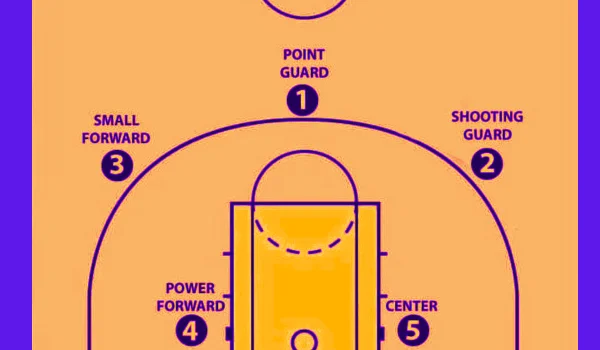
There’s something special about playing basketball outdoors.
Maybe it’s the sound of the ball echoing across the concrete, the summer heat during a pickup game, or the freedom of shooting hoops anytime you want. From neighborhood parks in New York to backyard courts in California, outdoor basketball courts are deeply connected to American basketball culture.
But if you’re planning to build, upgrade, or simply understand an outdoor basketball court, there’s a lot more to know than just installing a hoop.
What size should the court be? Which flooring works best? How much space do you actually need? And what makes some outdoor courts feel amazing while others destroy your knees after 20 minutes?
This complete guide breaks down everything you need to know about outdoor basketball courts in a simple, practical, and engaging way.
What Is an Outdoor Basketball Court?
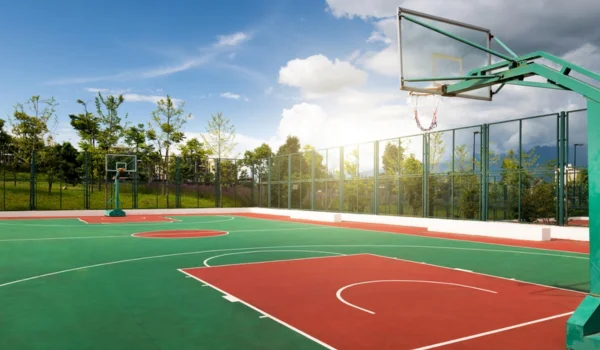
An outdoor basketball court is any basketball playing surface built outside instead of inside a gymnasium.
These courts can range from:
- Full professional-style courts
- Public park courts
- School playground courts
- Driveway hoops
- Backyard half courts
Outdoor courts are designed to handle weather conditions like:
- Rain
- Heat
- Wind
- Dust
- UV exposure
Unlike indoor hardwood courts, outdoor courts use more durable materials built for long-term outdoor use.
Standard Outdoor Basketball Court Dimensions
Outdoor courts can vary in size depending on available space, but full-size courts generally follow official basketball dimensions.
Regulation Full Court Size
A standard full outdoor basketball court measures:
This is the same size used in the NBA and NCAA basketball.
Common Outdoor Basketball Court Sizes
| Court Type | Length | Width |
| Full NBA Court | 94 feet | 50 feet |
| High School Court | 84 feet | 50 feet |
| Half Court | 47 feet | 50 feet |
| Backyard Practice Court | 30–60 feet | 30–50 feet |
| Youth Court | 74 feet | 42 feet |
Most homeowners choose a half-court setup because it saves space and money while still allowing serious practice and recreational play.
Why Outdoor Basketball Courts Are So Popular
Outdoor courts are more than just places to play basketball.
They create:
- Community gathering spaces
- Fitness opportunities
- Youth sports development
- Competitive streetball culture
- Affordable daily recreation
Many legendary players developed their game outdoors before reaching higher levels.
Outdoor basketball teaches:
- Toughness
- Creativity
- Ball control
- Physical play
- Adaptability
Playing in wind, heat, and rough conditions often sharpens skills faster than comfortable indoor environments.
Best Outdoor Basketball Court Flooring Options
One of the biggest decisions when building an outdoor court is choosing the surface.
The floor completely changes:
- Ball bounce
- Player comfort
- Injury risk
- Court durability
- Maintenance needs
Here are the most common outdoor basketball court surfaces.
- Concrete Basketball Courts
Concrete is the classic outdoor basketball surface.
Advantages
- Extremely durable
- Lower upfront cost
- Minimal maintenance
- Long lifespan
Drawbacks
- Hard on knees and ankles
- Can crack over time
- Rougher ball bounce
- Less shock absorption
Concrete courts are common in:
- Public parks
- Schools
- City recreation areas
- Asphalt Courts
Asphalt is another traditional outdoor basketball surface.
Advantages
- Affordable
- Easier installation
- Good traction
Drawbacks
- Can soften in extreme heat
- Cracks over time
- Rough texture
- Requires sealing
Many neighborhood courts across the U.S. use asphalt because it balances cost and durability.
- Modular Sport Tile Courts
Modern backyard courts increasingly use modular sports tiles.
Advantages
- Better shock absorption
- Improved drainage
- Professional appearance
- Easier on joints
- Customizable colors and designs
Drawbacks
- Higher cost
- Requires proper base installation
These courts are becoming extremely popular for:
- Luxury homes
- Training facilities
- Backyard sports spaces
How Much Space Do You Need?
The court itself isn’t the only space requirement.
You also need safety clearance around the edges.
Recommended Space for Full Court
Most experts recommend:
- Around 104 feet long
- Around 60 feet wide
This provides extra space for:
- Running momentum
- Safety runoff
- Fencing
- Seating
- Training equipment
Backyard Half Court Dimensions
Most residential basketball courts are half courts because they fit typical suburban properties more easily.
A standard half court measures:
Some homeowners go even smaller with compact shooting courts.
Outdoor Basketball Hoop Height
Just like indoor basketball, outdoor hoops use the standard rim height:
This consistency allows players to develop transferable shooting mechanics.
Youth courts sometimes lower the rim height for younger players.
Best Basketball Hoops for Outdoor Courts
Outdoor basketball hoops come in several styles.
| Hoop Type | Best For |
| In-Ground Hoop | Serious players |
| Portable Hoop | Flexibility and budget |
| Wall-Mounted Hoop | Small spaces |
| Adjustable Hoop | Families and kids |
In-Ground Hoops
These provide:
- Maximum stability
- Better rebounding
- Professional feel
They’re ideal for permanent outdoor courts.
Outdoor Court Lighting Ideas
Lighting dramatically improves outdoor basketball experiences.
Popular lighting setups include:
- LED floodlights
- Pole-mounted court lights
- Motion-sensor systems
- Smart lighting controls
Good lighting allows:
- Evening games
- Safer movement
- Better visibility
- Extended practice sessions
How Much Does an Outdoor Basketball Court Cost?
The cost varies widely depending on:
- Court size
- Surface material
- Hoop quality
- Drainage
- Lighting
- Custom paint designs
Average Cost Estimates
| Court Type | Estimated Cost |
| Basic Driveway Hoop | $500–$2,000 |
| Small Backyard Court | $5,000–$15,000 |
| Premium Half Court | $15,000–$35,000 |
| Full Professional Court | $40,000+ |
Luxury custom courts with logos, fencing, and premium tiles can cost much more.
Outdoor Basketball Court Maintenance Tips
Outdoor courts face constant exposure to weather and dirt.
Regular maintenance helps extend lifespan.
Maintenance Checklist
- Sweep debris regularly
- Wash surface occasionally
- Repair cracks quickly
- Tighten hoop bolts
- Repaint faded lines
- Check drainage systems
Taking care of the court improves:
- Player safety
- Ball performance
- Visual appearance
Best Weather Conditions for Outdoor Basketball
Outdoor basketball is most enjoyable in:
- Mild temperatures
- Dry conditions
- Low wind
Extreme heat can make asphalt dangerously hot, while rain creates slippery surfaces.
Some premium outdoor courts now include:
- Shade systems
- Drainage technology
- UV-resistant coatings
Outdoor Basketball vs Indoor Basketball
Outdoor basketball feels very different from indoor basketball.
Outdoor Basketball
Usually involves:
- More physical play
- Tougher conditions
- Wind adjustment
- Faster wear on shoes
- Harder surfaces
Indoor Basketball
Offers:
- Controlled conditions
- Better flooring
- Cleaner gameplay
- Consistent shooting environment
Many players believe outdoor basketball builds stronger overall skills because it forces athletes to adapt constantly.
Famous Outdoor Basketball Courts in America
Some outdoor courts are legendary in basketball culture.
Venice Beach Basketball Courts
Known for streetball legends and California basketball culture.
Rucker Park
One of the most iconic streetball courts in basketball history.
The Cage
Famous for intense pickup basketball games and elite competition.
These courts helped shape generations of basketball players and streetball legends.
Frequently Asked Questions
Q: What is the standard outdoor basketball court size?
A: A full outdoor basketball court is typically 94 feet long and 50 feet wide.
Q: What is the best outdoor basketball court surface?
A: Modular sport tiles are often considered the best balance of comfort, durability, and performance.
Q: How much space do I need for a backyard basketball court?
A: Most half courts require at least 50 feet by 60 feet of usable space.
Q: Is concrete good for basketball courts?
A: Yes, but it’s harder on joints compared to sport tile systems.
Q: How high is an outdoor basketball hoop?
A: The standard rim height is 10 feet.
Final Thoughts
An outdoor basketball court is more than just concrete and a hoop. It becomes a place where people compete, train, exercise, and create unforgettable memories.
Whether it’s a neighborhood pickup game, a serious backyard training setup, or a simple driveway hoop for kids, the right outdoor basketball court can completely change how people experience the game.
From choosing the ideal court dimensions to selecting the right flooring and hoop system, every detail matters. And with basketball continuing to grow across America, outdoor courts remain one of the most important parts of the sport’s culture and future.
About the Author