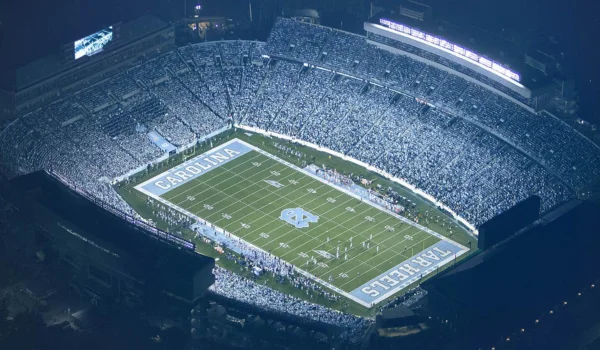
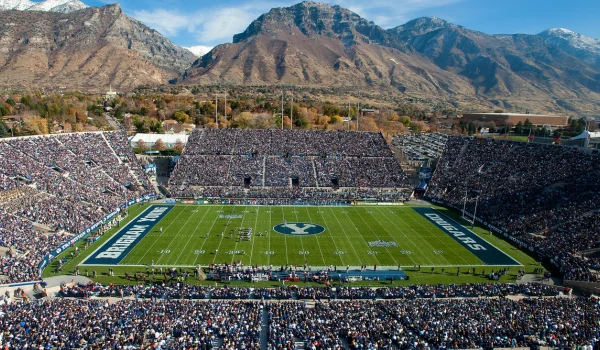
Walk into a modern sports stadium today, and you are entering far more than just a venue with seats and a scoreboard. Whether it is an NFL mega-stadium, a packed NBA arena, or a sprawling college football complex, the modern fan experience now depends heavily on one critical system that most spectators barely notice until it fails — wayfinding.
Sports stadium wayfinding is the invisible backbone of game day. It guides tens of thousands of fans to their seats, parking areas, concessions, restrooms, VIP lounges, merchandise stores, and exits without chaos taking over the venue.
In the United States especially, stadiums have become massive entertainment cities. Some venues hold more than 80,000 people, feature multiple levels, luxury suites, digital zones, interactive fan areas, and giant parking campuses. Without smart navigation systems, attending a live sporting event could quickly turn into confusion and frustration.
From seating charts and ticket scanning to digital boards, live commentary systems, streaming integrations, and parking guidance, wayfinding technology now shapes almost every aspect of the stadium experience.
Here is a deep dive into how sports stadium wayfinding works and why it has become one of the most important parts of modern sports architecture.
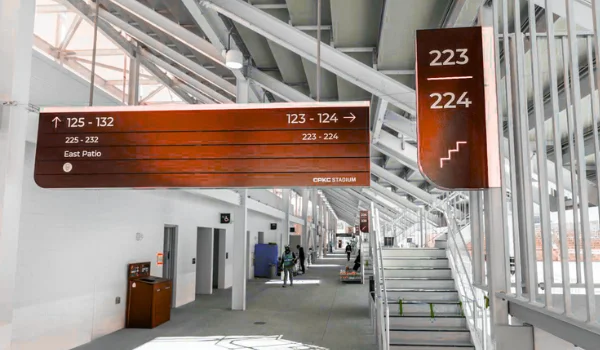
What Is Sports Stadium Wayfinding?
At its core, stadium wayfinding refers to the systems that help fans move efficiently through a sports venue.
This includes:
- Directional signage
- Seating maps
- Digital navigation boards
- Mobile navigation apps
- Parking guidance systems
- Entry gate organization
- LED directional displays
- Interactive kiosks
- Color-coded seating zones
Good wayfinding ensures fans can:
- Reach their seats quickly
- Avoid overcrowding
- Find concessions easily
- Locate exits safely
- Navigate massive stadium complexes without stress
In older stadiums, navigation often relied on simple static signs. Modern stadiums now use advanced digital systems that combine technology, architecture, and crowd management into a seamless experience.
Why Wayfinding Matters in Modern Stadiums
Sports venues are larger and more complex than ever before.
Consider some of America’s biggest venues:
- NFL stadiums exceeding 70,000 seats
- College football venues approaching 100,000 spectators
- Multi-level entertainment districts connected to arenas
- Massive parking campuses spanning hundreds of acres
Without efficient navigation systems, fans can face:
- Long entry delays
- Missed kickoff moments
- Confusing seating sections
- Parking gridlock
- Dangerous crowd bottlenecks
For stadium operators, poor wayfinding can directly impact:
- Fan satisfaction
- Security operations
- Concession sales
- Emergency evacuations
- Return attendance
That is why many modern stadium projects now invest millions of dollars into wayfinding systems alone.
Seating Capacity and Why It Changes Navigation Design
One of the biggest factors affecting stadium wayfinding is seating capacity.
Small Stadiums (10,000–25,000 Seats)
Smaller venues typically rely on:
- Simple signage
- Fewer entry gates
- Minimal zoning systems
Fans can usually navigate these venues without digital assistance.
Mid-Sized Stadiums (25,000–50,000 Seats)
At this level, wayfinding becomes more structured:
- Color-coded seating levels
- Dedicated entrances
- Parking lot segmentation
- Large concourse maps
College football stadiums often fall into this category.
Mega Stadiums (50,000–100,000+ Seats)
Large NFL and major college venues require sophisticated systems:
- Digital navigation boards
- Mobile GPS integration
- AI-powered crowd management
- Smart parking technology
- Dynamic LED signage
At venues this large, wayfinding becomes a full operational science.
Seating Charts and Seating Plans: The Foundation of Stadium Navigation
Every fan journey begins with the seating chart.
Modern seating plans are carefully designed to:
- Simplify movement
- Separate premium and general seating
- Improve emergency access
- Reduce congestion
How Seating Charts Work
Most stadiums organize seats by:
- Level
- Section
- Row
- Seat number
But modern wayfinding goes beyond basic numbering.
Color-Coded Sections
Many venues now use:
- Different colors for upper and lower bowls
- LED-lit section entrances
- Team-branded directional themes
This helps fans instantly recognize where they need to go.
Digital Seating Maps
Mobile apps now allow fans to:
- Search their exact seat
- Get walking directions
- View concession locations nearby
- Locate restrooms closest to their section
Some NFL stadiums even use augmented reality overlays inside apps to guide fans in real time.
Ticket Prices and the Wayfinding Connection
Ticket pricing surprisingly plays a major role in stadium navigation planning.
Premium ticket holders often receive:
- Separate entrances
- VIP elevators
- Exclusive lounges
- Dedicated parking zones
- Personalized concierge services
Meanwhile, general admission areas require:
- Larger crowd flow systems
- Faster scanning lanes
- Wider concourses
Premium Seating Zones
Luxury seating areas often include:
- Club-level access
- Suite corridors
- Private food services
- Enhanced signage systems
These spaces use more sophisticated wayfinding because guests expect smoother experiences.
Budget Seating Areas
Upper-deck sections focus more on:
- Large visible signage
- Efficient stair access
- Crowd-control routing
This separation allows stadiums to manage thousands of fans simultaneously without overwhelming any single area.
Stadium Addresses and External Navigation
Wayfinding actually begins long before fans enter the venue.
Modern stadiums now integrate navigation systems directly into:
- Google Maps
- Apple Maps
- Team mobile apps
- Parking reservation systems
Fans receive:
- Gate recommendations
- Parking assignments
- Traffic alerts
- Pedestrian routes
Large sports complexes now function almost like airports in terms of navigation planning.
Big Screens and Digital Boards: The New Era of Wayfinding
Digital technology has completely transformed stadium navigation.
Massive Video Boards
Modern sports venues use giant HD screens not only for replays but also for:
- Directional guidance
- Emergency alerts
- Crowd management announcements
- Parking updates
During crowded events, these boards help distribute fans more efficiently across the stadium.
LED Ribbon Boards
Ribbon boards circling stadium interiors now display:
- Section directions
- Exit reminders
- Gate information
- Traffic flow instructions
This dynamic communication system allows operators to adjust messaging instantly.
Interactive Kiosks
Many newer venues include touchscreen kiosks where fans can:
- Search seats
- Find concessions
- Locate merchandise stores
- Get accessibility assistance
Some systems even support multiple languages for international events.
Parking Facilities and Traffic Management
Parking may be the most stressful part of any live sporting event.
That is why stadium parking wayfinding has become a major industry focus.
Smart Parking Systems
Modern venues now use:
- Real-time parking occupancy tracking
- Mobile parking reservations
- Color-coded parking zones
- Digital directional signs
Fans can receive exact parking assignments before arriving.
Traffic Flow Management
Large venues coordinate with:
- Local police
- Traffic control centers
- GPS providers
- Ride-share services
This helps reduce postgame traffic nightmares.
Tailgating Zones
American football stadiums especially must manage:
- Tailgating traffic
- RV parking
- Pedestrian safety
- Emergency access lanes
Good wayfinding ensures tailgate culture remains fun without creating dangerous congestion.
Live Commentary and Audio Guidance Systems
Public-address systems are another major part of stadium navigation.
Audio Announcements Help Fans:
- Find open gates
- Avoid crowded sections
- Respond during emergencies
- Navigate weather delays
In many venues, commentary systems now integrate with:
- Mobile alerts
- Digital displays
- Emergency communication networks
Modern stadiums use carefully designed acoustics to ensure announcements remain clear even during extremely loud games.
Streaming and Mobile Integration
Today’s stadium experience extends far beyond physical signage.
Fans increasingly rely on smartphones for navigation.
Stadium Apps Now Offer:
- Seat-to-seat navigation
- Mobile ticket scanning
- Concession ordering
- Parking assistance
- Instant replays
- Live stats
Some advanced venues even provide indoor GPS systems accurate enough to guide fans directly to individual sections.
Streaming Inside the Stadium
Many venues now support:
- Multi-angle replays
- Live streaming inside apps
- Real-time fantasy sports integration
This keeps fans connected even while navigating concourses or concession lines.
Accessibility and Inclusive Navigation
Modern wayfinding also prioritizes accessibility.
Top stadiums now include:
- Wheelchair-accessible routing
- Braille signage
- Elevator guidance systems
- Hearing assistance technology
- Sensory-friendly areas
Inclusive navigation design has become essential for both legal compliance and fan satisfaction.
Emergency Safety and Crowd Control
One of the most important functions of stadium wayfinding is safety.
During emergencies, navigation systems help:
- Direct evacuations
- Prevent stampedes
- Separate crowd flows
- Coordinate emergency responders
Digital systems now allow stadium operators to instantly change signage and route fans away from danger areas.
This became especially important after major crowd safety incidents worldwide pushed stadiums to modernize evacuation planning.
The Fan Experience: Why Wayfinding Impacts Enjoyment
Most fans never consciously notice great wayfinding.
But they immediately notice bad wayfinding.
A smooth stadium experience means:
- Less stress
- Faster entry
- Easier navigation
- Shorter concession waits
- Better overall enjoyment
When fans can quickly find:
- Their seats
- Food stands
- Restrooms
- Parking exits
They spend more time enjoying the game itself.
That directly impacts:
- Fan loyalty
- Ticket renewals
- Merchandise spending
- Stadium reputation
The Future of Sports Stadium Wayfinding
The next generation of stadium navigation is already arriving.
Future innovations may include:
- AI-powered crowd prediction
- Augmented reality directions
- Facial-recognition entry systems
- Personalized fan routing
- Smart wearable integrations
Some stadiums are experimenting with:
- Robot assistance
- Voice-guided navigation
- Fully app-based seat guidance
As sports venues continue evolving into entertainment mega-complexes, wayfinding will become even more critical.
Final Thoughts
Sports stadium wayfinding may not receive the same attention as star athletes or giant scoreboards, but it quietly shapes every fan’s game-day experience.
From seating charts and parking guidance to digital boards, streaming apps, live commentary systems, and crowd flow management, navigation technology now defines how smoothly modern sports venues operate.
The best stadiums in America succeed because they combine:
- Smart architecture
- Clear signage
- Advanced digital systems
- Efficient parking design
- Seamless mobile integration
When all those elements work together, fans barely think about navigation at all.
They simply enjoy the roar of the crowd, the excitement of the game, and the unforgettable energy that only live sports can deliver.
About the Author